


Optimizing Workforce Productivity: A Comprehensive Guide to Employee Attendance Management Systems
In the modern workplace, tracking employee attendance is crucial for maintaining productivity and ensuring accurate payroll processing. An effective Employee Attendance Management System not only simplifies the tracking of working hours but also provides valuable insights into employee behavior and productivity. In this blog, we will explore the features, benefits, and best practices associated with attendance management software, and how implementing an attendance tracker system can transform your organization’s operational efficiency.
What is an Employee Attendance Management System?
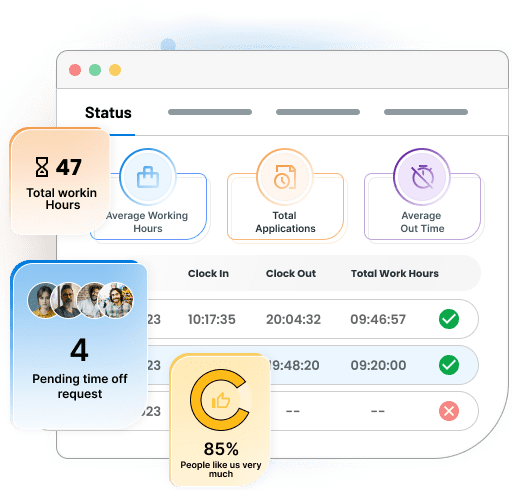
An Employee Attendance Management System is a software solution designed to automate and streamline the process of tracking employee attendance, hours worked, leaves, and absences. By using this system, organizations can easily monitor attendance patterns, manage time-off requests, and ensure compliance with labor laws.
Key Features of an Attendance Management System
Time Tracking: The core function of any attendance management software is to record the hours employees work. This can be done through various methods, including clocking in and out via biometric devices, mobile apps, or web-based portals.
Leave Management: The system allows employees to request leave and managers to approve or deny requests based on organizational policies. This helps maintain a transparent leave management process.
Reporting and Analytics: Attendance management software provides valuable data and insights into attendance patterns. These reports can help HR identify trends, such as frequent absenteeism, and address potential issues proactively.
Integration Capabilities: Modern attendance tracker systems can integrate with payroll systems, HR management software, and project management tools. This interoperability streamlines workflows and enhances data accuracy.
Employee Self-Service Portals: Many attendance management systems include self-service portals that empower employees to view their attendance records, request time off, and check their balances for vacation and sick leave.
Benefits of Implementing Attendance Management Software
Adopting an attendance management system can bring numerous advantages to organizations:
1. Increased Accuracy
Manual tracking of attendance is prone to human error, which can lead to discrepancies in payroll processing. Attendance management software automates data entry and calculations, reducing the likelihood of mistakes.
2. Enhanced Productivity
By automating attendance tracking, HR personnel can focus on more strategic tasks rather than spending time on administrative duties. This increased efficiency allows for better resource allocation and improved overall productivity.
3. Improved Compliance
Organizations must comply with various labor laws regarding attendance and leave management. Attendance management systems help ensure adherence to these regulations by maintaining accurate records and generating reports required for audits.
4. Better Employee Engagement
A transparent attendance management system can foster trust between employees and management. When employees can easily access their attendance records and request time off, it enhances their engagement and satisfaction at work.
5. Data-Driven Insights
The reporting features of attendance management software provide valuable insights into workforce behavior. Analyzing attendance trends can help identify issues like chronic absenteeism or overtime, allowing organizations to implement strategies to address these challenges.
Choosing the Right Attendance Tracker System
When selecting an attendance tracker system, organizations should consider several factors to ensure they choose a solution that meets their needs:
1. Scalability
Choose a system that can grow with your organization. Whether you have a small team or a large workforce, the software should be able to accommodate changes in staff size and complexity.
2. User-Friendly Interface
A user-friendly interface is crucial for both HR personnel and employees. The system should be intuitive and easy to navigate, minimizing the learning curve and encouraging adoption.
3. Customization Options
Different organizations have different attendance policies. The attendance management software should allow for customization to align with your specific organizational needs, such as flexible working hours or varied leave policies.
4. Customer Support
Reliable customer support is essential when implementing new software. Look for vendors that offer comprehensive support, including training resources and prompt assistance for troubleshooting issues.
Best Practices for Implementing an Attendance Management System
Successfully implementing an attendance management system requires careful planning and execution. Here are some best practices to consider:
1. Define Clear Policies
Before rolling out the system, ensure that your organization has clear attendance and leave policies in place. Communicate these policies to all employees so that they understand expectations and procedures.
2. Involve Employees in the Process
Engage employees in the selection and implementation process. Solicit their feedback and address any concerns they may have regarding the new system. This involvement can enhance acceptance and ease the transition.
3. Provide Training
Offer comprehensive training to HR personnel and employees on how to use the attendance management software effectively. This will help ensure that everyone is comfortable with the new system and can utilize its features to their fullest potential.
4. Monitor and Evaluate
After implementation, regularly monitor the system’s effectiveness. Gather feedback from users and analyze attendance data to evaluate whether the system is meeting organizational goals.
5. Stay Compliant
Keep abreast of any changes in labor laws that may affect your attendance policies. Ensure that your attendance management system is updated to reflect these changes and maintain compliance.
The Future of Attendance Management Systems
As technology continues to evolve, the future of attendance management systems will likely see advancements that enhance functionality and user experience. Some trends to watch include:
1. Integration with AI
Artificial intelligence will play a significant role in the future of attendance tracking, providing predictive analytics that can identify patterns and forecast attendance-related issues.
2. Mobile Solutions
With the rise of remote work, mobile attendance tracking solutions will become increasingly important. Employees will expect the ability to log their attendance and manage their leave requests from their smartphones.
3. Advanced Reporting Features
Future attendance management software will likely include more sophisticated reporting capabilities, offering deeper insights into workforce behavior and attendance trends, enabling organizations to make informed decisions.
Conclusion
An effective Employee Attendance Management System is essential for organizations looking to optimize their operations and improve employee satisfaction. By automating attendance tracking through advanced attendance management software, businesses can enhance accuracy, boost productivity, and ensure compliance with labor laws. As organizations adapt to an evolving workforce landscape, investing in a robust attendance management system will position them for long-term success. Embracing these technologies not only simplifies processes but also empowers organizations to make data-driven decisions that support their growth and engagement objectives.


Comments